
How to Use Fine Art in a Luxury Home Interior
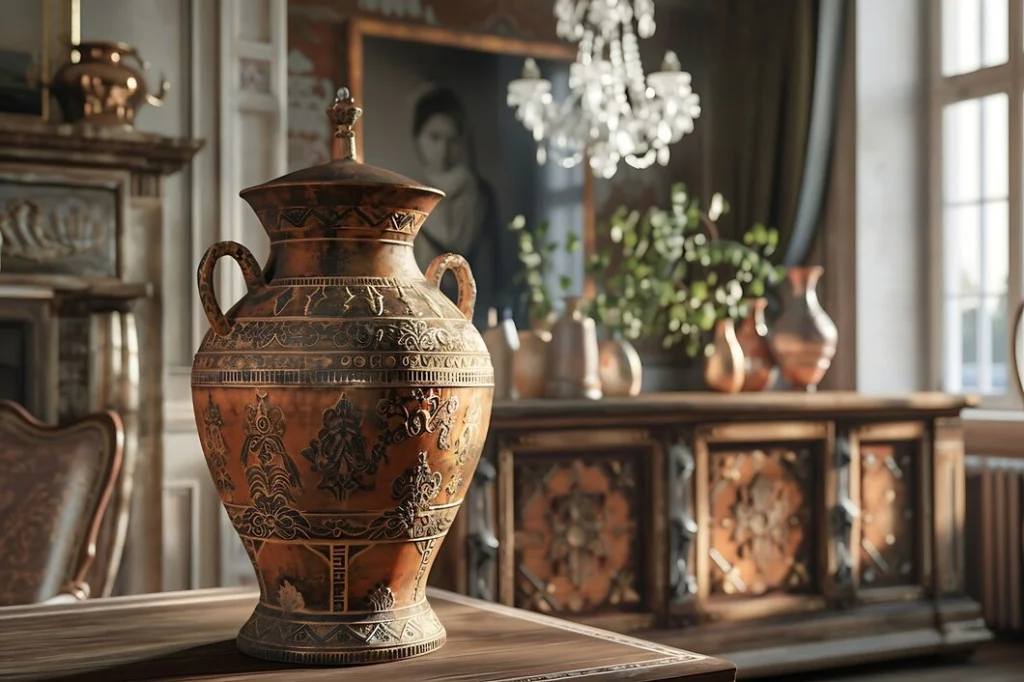
Table of Contents
A beautiful painting can change a room in seconds. But when the artwork is too small, hung too high, badly lit or surrounded by too many competing elements, even an expensive piece can feel out of place.
This is especially true in larger Pune homes, where marble flooring, tall walls, custom furniture and statement lighting already bring plenty of visual weight.
If you already own paintings, sculptures, antiques or family heirlooms, they should be considered while planning the room. Furniture, wall finishes and lighting can then support the pieces instead of competing with them.
Start with the artwork you already own
If you have a painting or antique that matters to you, show it to your interior designer before the furniture layout is finalised.
Its size may affect the sofa position. Its colours may influence the wall finish. An antique cabinet may need more floor space than you first expected.
This is why artwork works best when it’s considered alongside the rest of the home design.
If you’re still working on the overall planning, see our guide on how to design a luxury home for a broader look at furniture, finishes, lighting and room planning.
How high should artwork be hung?
Artwork is often hung too high because people judge the empty wall instead of the furniture below it.
As a starting point, the centre of a painting can sit around 57 to 60 inches from the finished floor. Above a sofa or console, around 6 to 10 inches of space between the furniture and frame can be a useful starting point.
But these are starting points, not fixed rules.
A low sofa, tall ceiling or oversized artwork can change the ideal position. The painting should feel connected to the furniture beneath it and comfortable to view from the main seating area.
Get the scale right
Scale can make or break an artwork display.
Imagine a 10-foot wall behind a large sofa. A tiny painting may disappear against the wall, while an oversized piece can make the furniture underneath feel insignificant.
Before choosing a position, measure:
- Wall width and height
- Sofa or console width
- Ceiling height
- Viewing distance
- Nearby doors and windows
- Walking space
The same artwork can feel completely different in a compact room and a double-height living area.
For large Pune apartments, this becomes even more important because open-plan living rooms often have long sightlines and generous wall surfaces.
If you’re planning a complete apartment, our luxury apartment interior design ideas can help you think about artwork as part of the larger furniture and material composition.
Give important pieces some breathing room
When you have a collection, it’s tempting to display everything.
That can make a room feel crowded.
A large painting may need a quiet wall around it. A carved antique console may need only one sculpture and a lamp. A collection of smaller artworks can work better as a planned group than as individual pieces scattered around the room.
You don’t have to display every piece at once either.
Rotating your collection can keep the home interesting while giving individual pieces more attention.
Let the artwork work with the furniture
Your artwork doesn’t have to match your sofa or curtains exactly.
A contemporary painting can sit comfortably with classic furniture. An antique mirror can work above a clean-lined console. A bronze sculpture can add weight to an otherwise simple corner.
Look for small connections between the pieces:
- Wood tones
- Metal finishes
- Upholstery colours
- Wall colours
- Stone
- Frame finishes
For example, a room with walnut furniture, beige upholstery and warm lighting can accommodate artwork containing muted rust, ochre or brown tones without repeating those colours everywhere.
The connection can be subtle.
Lighting changes how artwork looks
A painting can look completely different under poor lighting.
A general ceiling light may illuminate the room but leave the artwork unevenly lit. It can also create glare, particularly on paintings protected by glass.
For important pieces, plan the artwork lighting separately.
Adjustable spotlights can be aimed at individual paintings. Picture lights can suit traditional interiors. Sculptures usually need angled light so their shape and texture remain visible.
And plan these points before the electrical work is finished.
Good lighting should help you see the artwork clearly without making the fixture itself the focus.
Watch the sunlight
Natural light makes a home feel open and pleasant, but prolonged direct sunlight can affect some artworks.
Paintings, paper-based works, textiles and photographs can have different sensitivities to light, heat and humidity.
If you own an especially valuable or fragile piece, a qualified art conservator can advise you on suitable glazing, framing and display conditions.
Also watch how sunlight moves through the room.
A wall that looks perfect in the evening may receive strong afternoon sun for several hours.
Curtains and blinds can help control that exposure, especially when large windows face the artwork.
Use antiques as part of the room
An antique doesn’t have to sit in a corner simply because it’s old.
A carved cabinet can provide storage. An antique chest can become a console. A traditional mirror can sit above contemporary furniture.
The key is scale and function.
Before bringing a large antique home, measure its depth and check the circulation around it.
Open the doors and drawers. Check whether people can walk past comfortably. Make sure it doesn’t interfere with switches, curtains or other furniture.
A beautiful piece still needs to work in the room.
Bring Indian art into a contemporary home
Indian paintings, sculptures, carved wood, brass pieces and traditional motifs can work beautifully with contemporary interiors.
The room doesn’t need to become traditionally styled from floor to ceiling.
One carved piece against a quiet wall can have more impact than covering the entire room with traditional patterns.
This is also where material selection matters. Wood, brass, stone and handmade finishes can create subtle connections between an antique and contemporary furniture.
For more ideas around this direction, see our guide to Indian motifs in interior design.
Think about the room from different viewpoints
One useful exercise is to walk through the home before deciding where the important pieces will go.
What do you see when you enter?
What catches your eye from the sofa?
What will guests see while walking toward the dining area?
Which wall can be seen from another room?
These sightlines can help you decide which artwork deserves the strongest position.
A painting doesn’t always need to sit on the biggest wall. Sometimes a smaller wall that’s visible from the entrance gives a piece much more presence.
Don’t let finishes compete with the artwork
Luxury homes often use marble, wood veneer, textured walls, wallpaper and decorative panelling.
All of these can be beautiful, but they don’t need to appear on every wall.
A heavily veined marble surface behind a busy painting can make both elements difficult to appreciate.
Similarly, a strong wallpaper pattern can compete with a detailed antique frame.
If the artwork has plenty of visual activity, a quieter wall may give it the space it needs.
Pay attention to the smaller details
Once the major furniture and artwork positions are fixed, small details start to matter.
The frame finish should suit the surrounding materials. Lighting should be positioned so it doesn’t create distracting reflections. Mounting hardware should be strong enough for the piece.
These details are part of the overall luxury interior rather than separate finishing touches.
Our guide to premium detailing in luxury interior design covers the smaller decisions that can change how a high-end space comes together.
A simple artwork placement checklist
Before hanging an important piece, check:
- Is the artwork large enough for the wall?
- Does its position relate to the furniture?
- Can it be viewed comfortably?
- Does it have enough empty space around it?
- Is the lighting even?
- Does direct sunlight reach it?
- Is the mounting suitable for its weight?
- Does the piece make sense in that particular room?
If you answer these before installation, you’ll avoid many expensive adjustments later.
When should artwork be planned?
Ideally, artwork should be discussed during the design stage.
That gives the interior team time to coordinate:
- Furniture positions
- Wall sizes
- Lighting points
- Electrical wiring
- Wall panelling
- Paint or wallpaper
- Curtain positions
- Mounting requirements
This becomes particularly useful when you own large paintings or valuable antiques.
You don’t want to finish a wall and discover later that the ideal artwork position conflicts with a switch, spotlight or piece of furniture.
For complete luxury home interior design in Pune, artwork can be planned alongside the room layout, materials, lighting and furniture from the beginning.
Fine art should feel like part of your home
Your home doesn’t need to look like a gallery.
Choose the pieces you genuinely enjoy. Give them enough space. Get the scale right. Plan the lighting before the walls are finished, and take extra care with pieces that are sensitive to light or humidity.
The result should feel natural when you live with it every day.
At Xclusive Interiors, we can plan the furniture, lighting, finishes and artwork positions together so the pieces you love have the right setting.
If you’re planning a luxury home in Pune and already have artwork or antiques, it’s worth discussing them before the design is finalised.
FAQs
How should fine art be placed in a luxury living room?
Place artwork in relation to the sofa, console, viewing distance and wall proportions. Large pieces usually need enough surrounding space to remain visually clear.
How high should a painting be above a sofa?
Around 6 to 10 inches above the sofa can be a useful starting point. The final height should depend on the sofa, artwork size and room proportions.
What lighting is best for paintings?
Adjustable spotlights and picture lights are common choices. The light should be aimed carefully to reduce glare and provide even illumination.
Can antiques work with modern interiors?
Yes. Antique cabinets, mirrors, consoles and sculptures can work with contemporary furniture when their scale, finish and placement are planned properly.
How can I protect artwork from sunlight?
Avoid prolonged direct sunlight where possible. Curtains, blinds and appropriate glazing can help, while fragile or valuable pieces may need advice from a qualified art conservator.
Does artwork need to match the interior colour scheme?
No. It doesn’t need to match exactly. Repeating small colour or material connections can be enough to make the artwork feel connected to the room.
How many paintings should I display in one room?
There is no fixed number. The size of the room, artwork and furniture should determine how many pieces can be displayed without making the space feel crowded.
When should artwork be considered during interior design?
Ideally, during the planning stage. This allows furniture, lighting, wall finishes and electrical points to be coordinated around the artwork.