
Storage Ideas for Small Homes: Wall, Under-Bed & Vertical Planning
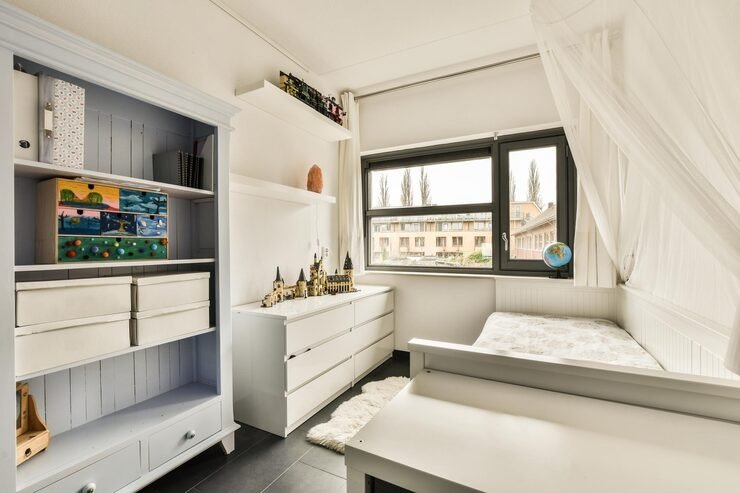
Table of Contents :
- Why Storage Ideas Need Strategic Planning (Not More Furniture)
- Storage Ideas for Small Homes Using Wall-Based Solutions
- Storage Ideas for Small Homes Using Under-Bed Space
- Vertical Planning Storage Ideas for Small Homes
- How Storage Impact Visual Spaciousness
- Material & Hardware Choices That Make Storage Work Better
- How Professional Planning Improves Storage Ideas for Small Homes
- Conclusion
Smart storage ideas for small homes go beyond adding cabinets—they focus on wall utilization, under-bed efficiency, and vertical planning that works with your daily habits.
In this blog, we’ll break down real pain points, explain technical storage solutions, and show you how thoughtful design decisions can make even the smallest home feel open, organized, and intentional.
Why Storage Ideas Need Strategic Planning (Not More Furniture)
One common mistake homeowners make is buying more furniture when storage runs out. The result? A cramped home that feels visually heavy.
Proper storage ideas address three core challenges:
- Limited floor area
- Irregular layouts and dead corners
- Daily functional needs (clothes, cleaning tools, kitchen storage, devices)
From a design perspective, storage success depends on:
- Vertical load planning
- Ergonomic reach zones
- Clearance-based circulation paths
Instead of consuming floor space, efficient homes push storage up, down, and inward.
Storage Ideas for Small Homes Using Wall-Based Solutions
Walls are often the most underutilized asset in compact homes. Smart wall storage increases capacity while keeping floors visually clear.
1. Wall-Mounted Storage Ideas in Living Areas
Many living rooms suffer from bulky units that block light and movement. Wall-mounted solutions reduce footprint while improving accessibility.
Effective options include:
- Floating media units with concealed wiring ducts
- Wall-mounted bookshelves with staggered depth
- Slim-profile cabinets above seating height
Technical insight:
Ideal wall storage depth for living spaces should be 300–350 mm to prevent visual bulk and head collision risk.
2. Wall Storage Ideas for Bedrooms
Bedrooms often struggle with wardrobe overflow and poor circulation. Wall-integrated storage shifts the weight upward. Explore clutter free bedroom tips.
Common strategies:
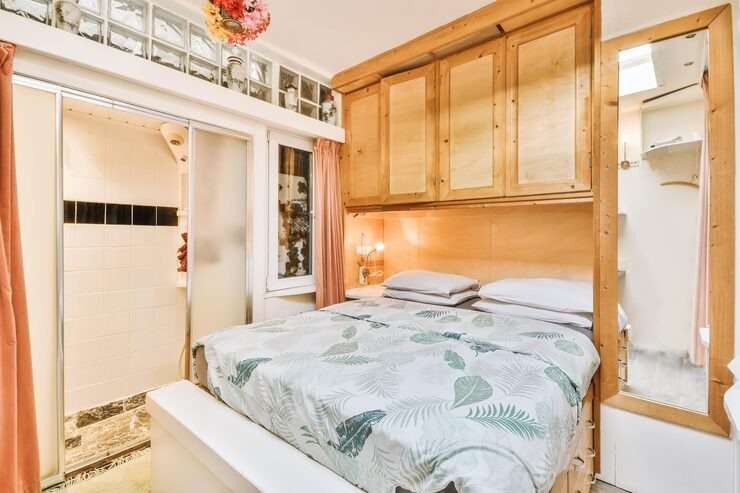
- Loft cabinets above wardrobes
- Wall-hung bedside units instead of tables
- Full-height wardrobes flush with ceilings
Design rule:
Always align wardrobe shutters with wall planes to avoid visual breaks in compact rooms.
3. Wall Storage Ideas in Kitchens
Kitchen walls offer huge potential for vertical optimization.
Popular wall storage solutions:
- Tall pantry units instead of wide base cabinets
- Wall-mounted open shelves for daily-use items
- Overhead cabinets extending up to the slab
Tip: Store lightweight, frequently used items between 900 mm–1600 mm reach height for ergonomic efficiency.
Storage Ideas for Small Homes Using Under-Bed Space
The space beneath your bed can store far more than seasonal luggage—if designed properly.
1. Under-Bed Storage with Built-in Beds
Instead of buying storage boxes later, the bed itself should be designed as a storage unit.
Best-performing under-bed formats:
- Hydraulic lift-up storage (full access)
- Drawer-based under-bed storage (daily access)
- Box storage divided into usage zones
Technical insight:
Hydraulic beds should have gas springs rated for mattress + load weight, otherwise accessibility drops over time.
2. Under-Bed Storage Without Built-In Furniture
If retrofit is your only option:
- Use segmented storage containers instead of large boxes
- Label containers by category
- Allocate zones: seasonal wear, linens, rarely used items
Avoid overfilling—overloaded under-bed storage can block air circulation and attract moisture.
3. Common Mistakes with Under-Bed Storage Planning
- Mixing items with different usage frequency
- No moisture protection
- Using deep boxes that require full removal each time
Vertical Planning Storage Ideas for Small Homes
Vertical planning means designing storage based on height zoning, not just width.
1. Vertical Storage Using Height Zoning
A vertically planned space is divided into three functional zones:
- Lower zone (0–750 mm): Heavy or rarely used items
- Middle zone (750–1600 mm): Everyday essentials
- Upper zone (1600 mm+): Seasonal or occasional storage
This ensures efficiency without physical strain.
2. Vertical Storage in Entryways
Entryways often become clutter magnets.
Smart vertical strategies:
- Shoe cabinets with vertical tilt shelves
- Tall, slim utility units for cleaning tools
- Wall hooks aligned in a vertical grid
Small entryways benefit the most from vertical thinking.
3. Vertical Storage Ideas in Bathrooms
Bathrooms offer unexpected vertical storage potential.
Options include:
- Mirror cabinets with recessed depth
- Floor-to-ceiling towel units
- Over-WC vertical shelving
Design note:
Moisture-resistant ply and laminates are non-negotiable for vertical bathroom storage.
How Storage Impact Visual Spaciousness
Storage isn’t just functional—it directly affects how large your home feels.
Well-executed storage ideas for small homes:
- Reduce horizontal clutter
- Improve light circulation
- Create visual continuity across rooms
Design tricks that enhance spaciousness:
- Flush shutters with hidden handles
- Light-colored storage units
- Vertical grain laminates to visually raise ceiling height
Material & Hardware Choices That Make Storage Work Better
Even the smartest storage fails with poor material selection.
Recommended materials:
- BWP-grade plywood for load-bearing units
- Soft-close hinges to reduce wear
- Telescopic channels rated for full load
Hardware insight:
Always check kg load rating, not brand name alone—especially for under-bed drawers and tall cabinets.
How Professional Planning Improves Storage Ideas for Small Homes
While DIY storage offers quick fixes, long-term efficiency comes from holistic planning.
A design-driven approach considers:
- Daily movement paths
- Behavioral usage patterns
- Future storage needs
At Xclusive Interiors, storage is never treated as an add-on—it’s woven into the layout planning stage to ensure your home works smoothly over years, not months.
Conclusion
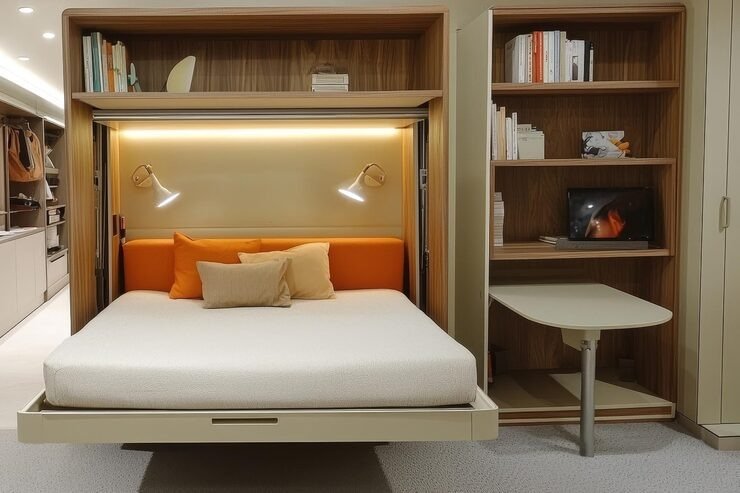
Smart homes aren’t bigger—they’re better planned. The right storage ideas for small homes transform unused walls, ignored bed space, and vertical height into purposeful zones that reduce clutter and improve daily living.
When storage aligns with how you live, your home stops fighting you and starts supporting you.
Book a free design consultation
If your home could store everything effortlessly without feeling crowded, how different would your everyday life feel?