
Lighting Ideas for Living Rooms: Layering Light That Actually Works

Table of Contents :
- Why Lightings for Living Rooms Fail in Most Homes (The Real Problem)
- Lighting Color Temperature: The Silent Mood Killer
- Lighting Placement Secrets Interior Designers Never Share Publicly
- Do’s & Don’ts of Lighting Ideas for Living Rooms (Real-World Edition)
- Smart Lighting Ideas for Living Rooms (Used Correctly)
- How Professional Lighting Transforms a Living Room
- Conclusion
Most living rooms don’t look bad—they just look badly lit. If your space feels dull, flat or lifeless, the problem isn’t your furniture… it’s your lighting.
So before you buy another lamp or spotlight, here are the 10 things you must know about layered lighting.
This guide explains how professional designers actually build layered lighting, the mistakes people realise only after living with bad light, and the rare insights no catalogue will ever tell you.
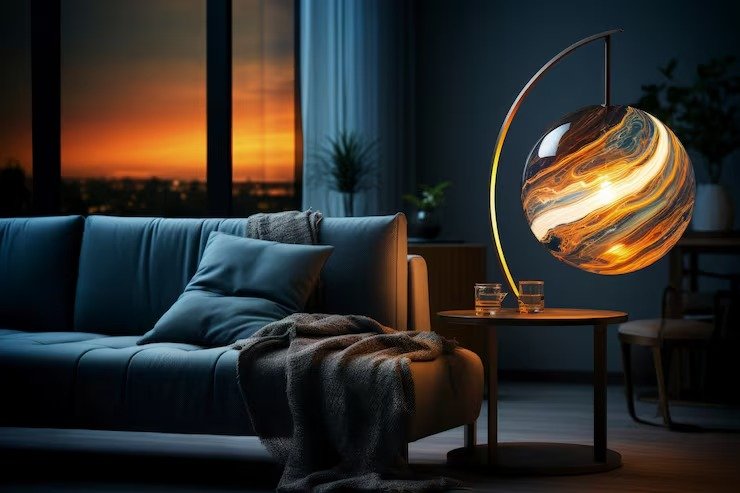
Why Lightings for Living Rooms Fail in Most Homes (The Real Problem)
Most homeowners don’t lack a budget.
They lack lighting logic.
Real-life failure homeowners confess later:
“The house looked great in drawings, but at night… it feels flat.”
That happens because:
- Lighting is selected fixture-first, not experience-first
- Only ceiling lights are planned
- Color temperature is chosen blindly
- Decorative lights are mistaken for functional ones
- No lighting zones are defined
But lighting is not decoration.
Therefore, it must be designed like a system, not an accessory.
The Truth About Layered
Professional designers never talk about “one perfect light.”
They build layers that work together invisibly.
A well-balanced living room always has three lighting layers, but what most blogs don’t explain is how they interact.
1. Ambient Lighting Ideas for Living Rooms (The Foundation Most People Ruin)
Ambient lighting provides overall illumination—but it should never steal attention.
What people usually do (Mistake):
- Install too many downlights
- Use cool white LEDs (6500K)
- Place lights directly above seating
Result: Flat light, shiny foreheads, harsh shadows, tired eyes.
What professionals do instead (Secret):
Ambient lighting should be:
- Diffused, not directional
- Soft enough to disappear into the ceiling
- Balanced to avoid hotspots
Ideal Ambient Lighting Options:
- Cove lighting with concealed LED strips
- Recessed downlights spaced evenly (not crowded)
- Warm white pendants where ceiling height allows
Technical insight rarely discussed:
- Ambient lighting should never exceed 60% of total room brightness.
- If it does, everything else becomes pointless.
2. Task Lighting Ideas for Living Rooms (Where Most Homes Lose Functionality)
Task lighting is not about brightness—it’s about precision.
Hidden mistake homeowners realise late:
“Our living room looks good, but reading here is uncomfortable.”
Why?
- Floor lamps placed randomly
- Table lamps chosen for looks, not output
- Light coming from the wrong angle
Do’s for Task Lighting:
- Place light beside or behind the activity
- Ensure beam does not hit eyes or TV screens
- Match lamp height to human eye level
Don’ts:
- Don’t rely on ceiling lights for reading
- Don’t use decorative lamps without checking lumens
- Don’t mix cool and warm lights in the same zone
Professional lighting secret:
Task lights should always be slightly warmer than ambient for comfort.
3. Accent Lighting Ideas for Living Rooms (The Luxury Layer Nobody Understands)
Accent lighting creates visual hierarchy—telling the eye where to look.
Why accent lighting fails in most homes:
- Installed randomly
- Too weak to create contrast
- Pointed at nothing meaningful
What professionals look for before adding accent lights:
- Textures that deserve attention
- Wall depth and shadow potential
- Focal zones (not decorative clutter)
Effective Accent Lighting Ideas:
- LED profiles behind TV units
- Track lights highlighting artwork
- Uplights for indoor plants
- Niche lighting for artefacts
Rarely discussed professional rule:
- Accent lighting must be 3x brighter than ambient lighting to actually work.
- Subtle doesn’t mean invisible.
Lighting Color Temperature: The Silent Mood Killer
Most common regret:
- “The room feels bright… but not cozy.”
- That almost always means the wrong color temperature.
What never works in living rooms:
- Cool white (6000K–6500K)
- Mixing warm and cool whites
- Using office lighting standards
What works long-term:
- 3000K–3500K for warmth
- Consistent tone across fixtures
- Slight warmth increase in task lights
But mixing temperatures may look fine initially—therefore after a few months, visual fatigue sets in.
Lighting Placement Secrets Interior Designers Never Share Publicly
1. Distance From Walls
Lights placed too close create glare; too far lose texture.
Ideal: 24 inches from walls
2. Sofa Lighting
Never place a downlight directly above a sofa.
Result if ignored:
Shadows under eyes = uncomfortable social space.
3. Beam Angles Matter
- Wide beam = ambient
- Narrow beam = accent
Yet almost nobody checks beam angles before installation.
Do’s & Don’ts of Lighting Ideas for Living Rooms (Real-World Edition)
DO:
- Plan lighting before furniture finalisation
- Use dimmers on at least two layers
- Match lighting layout to daily habits
- Test lighting scenes at night before handover
DON’T:
- Overlight ceilings
- Choose fixtures based only on catalogue images
- Ignore natural daylight movement
- Install smart lighting without understanding manual override needs
Smart Lighting Ideas for Living Rooms (Used Correctly)
Smart lighting is powerful—but dangerous when misused.
Hidden mistake:
“We installed smart lights but still don’t use them.”
Why?
- Too many scenes
- No logic behind controls
- Poor color tuning
Smart lighting used professionally:
- 3–4 practical scenes only
- One-touch controls
- Warm dimming instead of brightness jumps
Smart lighting should simplify life, not complicate it.
How Professional Lighting Transforms a Living Room
Before layered lighting:
- Flat walls
- Tired eyes
- One mood all day
- Decorative elements ignored
After layered lighting:
- Depth, contrast, warmth
- Multiple moods without changing décor
- Better relaxation and social interaction
- Premium look without extra décor spend
That is why experienced firms like Xclusive Interiors approach lighting as part of lifestyle design, not electrical work.

Conclusion
Lighting for living rooms are not about choosing fixtures—they’re about shaping experience, mood, and comfort.
When lighting is layered thoughtfully, every corner gains purpose, every texture comes alive, and the room finally feels complete.
So ask yourself this before your next lighting decision: Is my living room just lit—or is it designed to feel right?