
Biophilic & Nature-Inspired Design for Hospitality Spaces
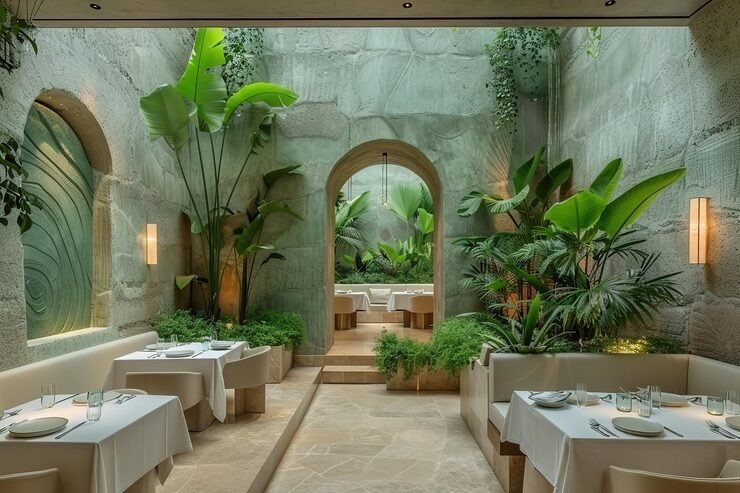
Table of Contents
- Why Biophilic Design Matters for Hospitality Spaces?
- Key Elements of Biophilic Design in Hospitality
- Nature-Inspired Design Beyond Plants
- Biophilic Design Across Different Hospitality Areas
- Biophilic Design for Wellness and Luxury Hospitality
- Sustainability and Biophilic Design
- Challenges in Implementing Biophilic Design
- Future of Biophilic Design in Hospitality
- Conclusion
In today’s hospitality industry, guest expectations go far beyond comfort and luxury. Travellers now seek spaces that help them relax, recharge, and reconnect—with themselves and with nature. This is where Interior Design for Hospitality Spaces plays a powerful role. Rooted in the idea that humans have an innate connection with the natural world, biophilic design integrates natural elements into interiors to create calming, immersive, and emotionally engaging environments.
For hotels, resorts, cafés, and wellness retreats, this design approach is no longer a trend—it’s a strategic advantage. Nature-inspired hospitality spaces improve guest satisfaction, encourage longer stays, and leave lasting impressions that translate into repeat visits and positive reviews. From lush indoor greenery to organic materials and natural light, biophilic design transforms hospitality spaces into living experiences rather than just places to stay.
What Is Biophilic Design in Hospitality?
Understanding the Core Concept
Biophilic design focuses on incorporating nature into built environments in thoughtful and meaningful ways. In hospitality spaces, this means creating interiors that feel alive, breathable, and emotionally comforting.
Key aspects include:
- Visual connection with nature
- Use of natural materials and textures
- Sensory engagement through light, sound, and airflow
- Designs that mimic natural patterns and forms
Why Biophilic Design Matters for Hospitality Spaces?
Enhancing Guest Experience
Guests instantly feel more relaxed and welcomed in nature-inspired environments.
Benefits include:
- Reduced stress and mental fatigue
- Improved mood and emotional comfort
- A sense of escape from urban chaos
Boosting Brand Perception
Hotels and restaurants with biophilic design are often perceived as:
- Premium and thoughtfully designed
- Wellness-focused and guest-centric
- Sustainable and environmentally responsible
Key Elements of Biophilic Design in Hospitality
Natural Light Optimisation
Light plays a crucial role in shaping how a space feels.
Effective strategies:
- Large windows and glass façades
- Skylights in lobbies and dining areas
- Sheer curtains to soften daylight
Indoor Greenery and Living Walls
Plants instantly bring life into hospitality interiors.
Popular options:
- Vertical gardens in lobbies
- Potted plants in rooms and corridors
- Hanging planters in cafés and lounges
Natural Materials and Finishes
Organic materials create warmth and authenticity in Interior Design for Hospitality Spaces.
Commonly used materials:
- Wood, bamboo, and cork
- Natural stone and clay tiles
- Linen, cotton, and jute fabrics
Nature-Inspired Design Beyond Plants
Organic Forms and Patterns
Nature-inspired interiors don’t rely only on greenery.
Design inspirations include:
- Curved furniture mimicking river flows
- Leaf, wave, or floral patterns in wallpapers
- Asymmetrical layouts inspired by landscapes
Colour Palettes Drawn from Nature
Colours influence emotions deeply.
Popular biophilic colour choices:
- Earthy browns and warm beiges
- Forest greens and olive tones
- Sky blues and sandy neutrals
Biophilic Design Across Different Hospitality Areas
Lobby and Reception Areas
The first impression matters.
Effective ideas:
- Statement indoor trees or green walls
- Natural stone reception desks
- Soft lighting combined with daylight
Guest Rooms and Suites
Comfort and tranquillity are essential.
Design approaches:
- Wooden furniture and flooring
- Nature-inspired artwork
- Indoor plants or balcony greenery
Restaurants and Cafés
Dining becomes an experience when nature is involved.
Popular features:
- Garden-style seating layouts
- Use of natural textures on walls and tables
- Open-air or semi-open dining zones
Biophilic Design for Wellness and Luxury Hospitality
Spas and Wellness Retreats
Nature-inspired design aligns perfectly with wellness.
Key elements include:
- Water features like fountains or reflecting pools
- Stone textures and neutral tones
- Natural aromas and soundscapes
Luxury Hotels and Resorts
Biophilic design enhances exclusivity.
Luxury-focused ideas:
- Seamless indoor-outdoor transitions
- Private garden spaces and courtyards
- Locally sourced natural materials
Sustainability and Biophilic Design
Eco-Friendly Benefits
Biophilic design often supports sustainable practices.
Environmental advantages:
- Improved energy efficiency through daylight use
- Better indoor air quality
- Reduced reliance on artificial cooling
Aligning with Modern Guest Values
Today’s travellers value sustainability.
This design approach helps:
- Attract eco-conscious guests
- Strengthen green branding
- Meet global sustainability standards
Challenges in Implementing Biophilic Design
Common Obstacles
Despite its benefits, implementation requires expertise.
Challenges may include:
- Space limitations in urban properties
- Maintenance of indoor plants
- Budget planning for natural materials
The Importance of Expert Interior Planning
Professional commercial interior design firms ensure:
- Practical placement of natural elements
- Balance between aesthetics and maintenance
- Seamless integration with brand identity
Future of Biophilic Design in Hospitality
Growing Demand
As wellness tourism grows, biophilic design will become standard.
Emerging trends include:
- Smart lighting that mimics daylight cycles
- Modular green walls
- Tech-integrated natural environments
Long-Term Value
Nature-inspired hospitality spaces offer:
- Higher guest retention
- Better online reviews
- Strong emotional brand connections
Conclusion
Biophilic and nature-inspired Interior Design for Hospitality Spaces is redefining hospitality interiors by creating spaces that nurture well-being, comfort, and emotional connection. By thoughtfully integrating natural light, greenery, organic materials, and nature-inspired forms, hospitality brands can transform ordinary spaces into memorable experiences. From boutique hotels to luxury resorts, this design philosophy not only enhances guest satisfaction but also supports sustainability and long-term brand value.
For hospitality businesses looking to adopt biophilic design with elegance, functionality, and brand alignment, Xclusive Interiors offers expert interior solutions tailored to modern hospitality needs. With a deep understanding of nature-inspired aesthetics and practical execution, we help transform hospitality spaces into environments where guests truly feel connected, relaxed, and inspired. Explore our work on our website to bring timeless, nature-driven design into your hospitality project.